
Table of Contents
🏛 Introduction: Why Government Jobs are Popular in Pakistan
Government jobs in Pakistan have always been considered one of the most secure and respected career options. Every year, thousands of candidates apply for positions in different government departments such as FPSC, PPSC, NTS, PTS, OTS, Army, Police, WAPDA, FBR, NAB, and the education sector jobs.
But the most common question among fresh graduates and even experienced professionals is:
👉 “How can I apply for a government job in Pakistan successfully?”
This blog will guide you step by step on finding government jobs, preparing documents, applying online or offline, clearing tests, and succeeding in interviews. By the end, you’ll have a complete roadmap to secure a government job in Pakistan in 2025.
📌 Quick Overview: How to Apply for a Government Job in Pakistan
Here’s a simple summary before we dive into details:
| Step | Description |
|---|---|
| 1 | Search for government job advertisements (official websites, newspapers, job portals). |
| 2 | Check eligibility criteria (education, age, experience, domicile). |
| 3 | Prepare required documents (CNIC, domicile, and academic certificates). |
| 4 | Fill out the online/offline application form. |
| 5 | Pay challan/test fee (if required). |
| 6 | Appear for the written test (FPSC, PPSC, NTS, etc.). |
| 7 | Pass the interview and final selection. |
| 8 | Receive appointment letter and join duty. |
🔍 Step 1: Where to Find Government Job Announcements?
Most candidates miss opportunities because they don’t know where to look. Here are the authentic sources:
- Official Websites
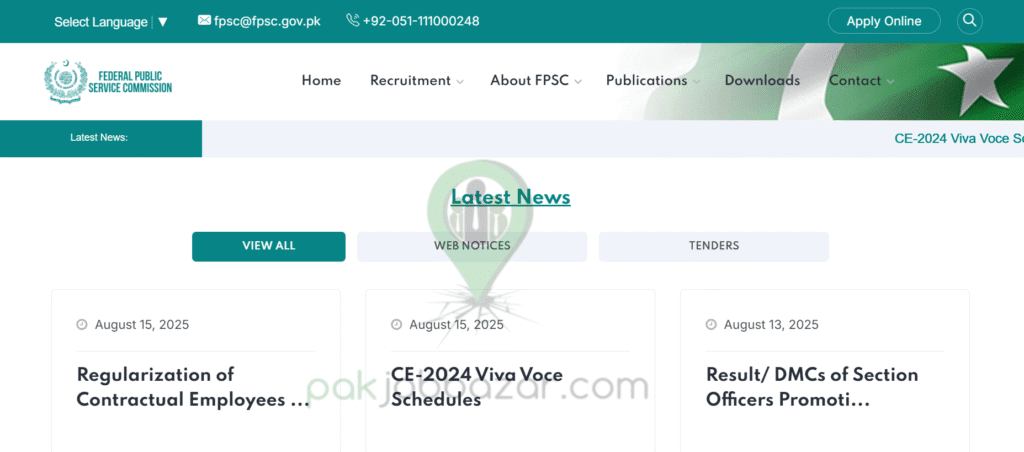
- FPSC (Federal Public Service Commission): www.fpsc.gov.pk
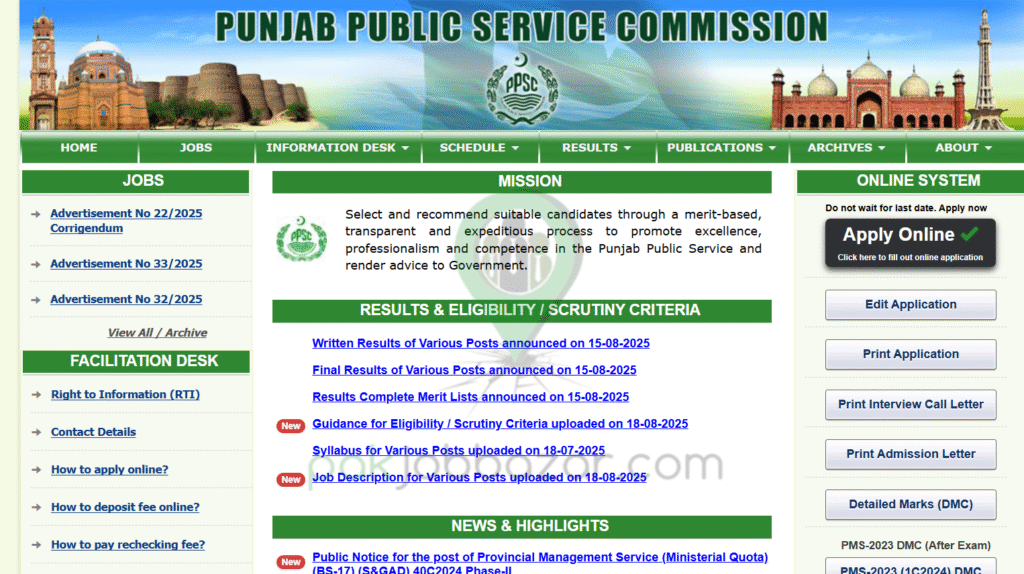
- PPSC (Punjab Public Service Commission): www.ppsc.gop.pk
- Sindh Public Service Commission (SPSC): www.spsc.gov.pk
- KPPSC (Khyber Pakhtunkhwa): www.kppsc.gov.pk
- BPSC (Balochistan Public Service Commission): www.bpsc.gob.pk
- Daily Newspapers
- Jang, Express, Dawn, The News, Nawaiwaqt
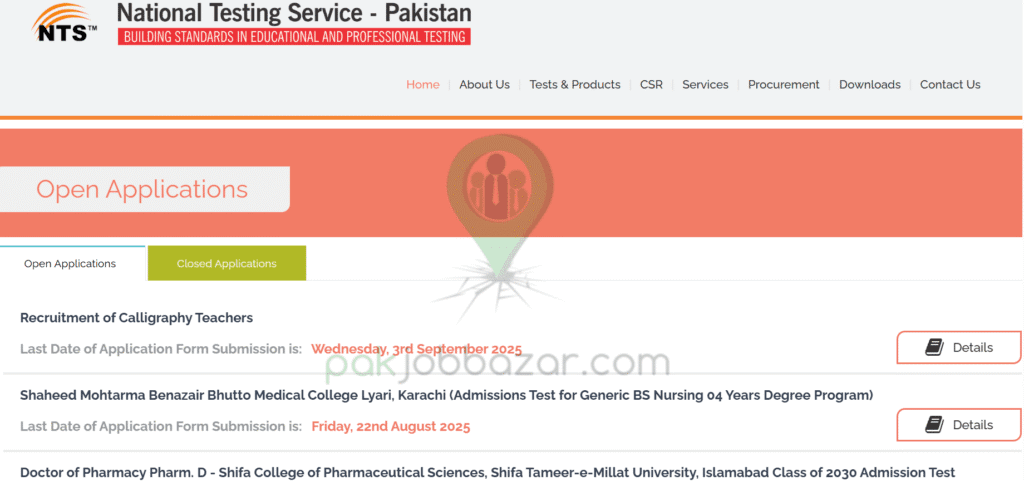
- Job Portals
- Social Media Channels
Many government organizations now announce jobs on their official Facebook & Twitter pages.
📝 Step 2: Check Eligibility Criteria
Before applying, you must ensure you meet the requirements:
- Education: From Matric to Master’s/PhD, depending on the post.
- Age Limit: Usually 18–30 years (relaxation for govt employees & special quotas).
- Domicile: Province/district-based eligibility.
- Experience: Required for higher-level posts.
- Quota System: Women, minorities, and disabled persons often have reserved seats.
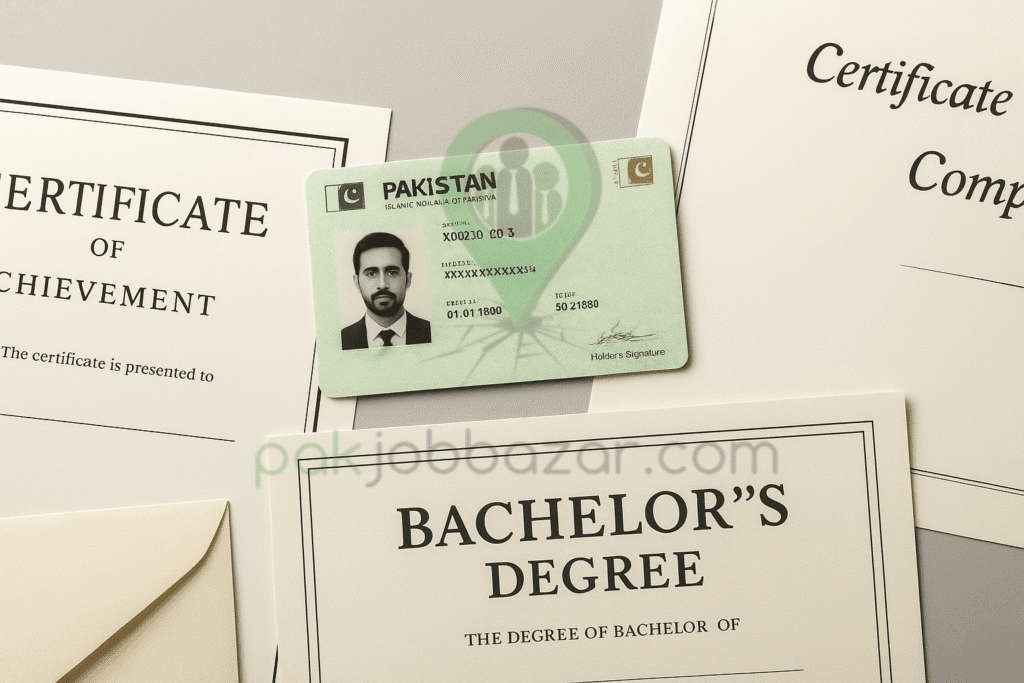
🗂 Step 3: Prepare Your Documents
To avoid rejection, prepare the following documents in advance:
- Attested copies of CNIC
- Domicile certificate
- Educational degrees (Matric, Intermediate, Graduation, Master’s)
- Passport-sized photographs
- Experience letters (if required)
- NOC (for already employed candidates)
💻 Step 4: Filling Out the Application Form
There are two main methods:
1. Online Application
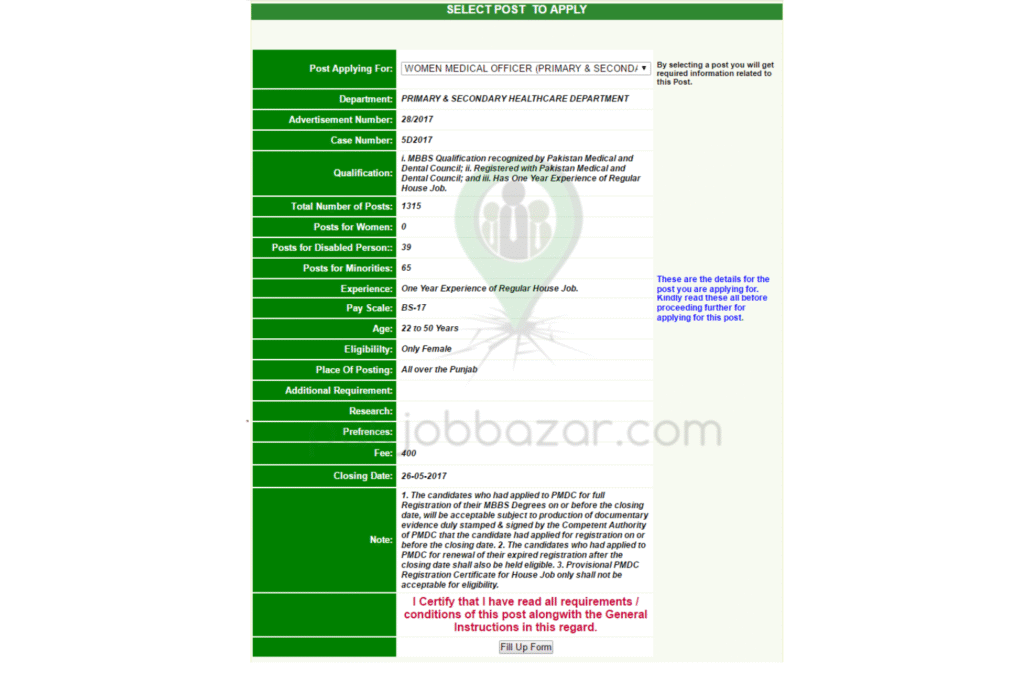
Most big organizations (FPSC, PPSC, NTS, etc.) use online forms. Steps:
- Visit the official website.
- Create an account.
- Fill in personal, academic, and professional details.
- Upload documents.
- Apply.
2. Offline Application
Some smaller departments still use manual forms. Steps:
- Download/collect the application form.
- Fill it carefully with a black/blue pen.
- Attach attested documents.
- Send via courier/post to the given address.
⚠️ Pro Tip: Always keep a copy of your submitted form and challan slip.
💵 Step 5: Payment of Challan/Test Fee
Most government jobs require a test fee.
- FPSC: Rs. 300 – 2200 (depending on grade)
- PPSC: Rs. 600 – 1000
- NTS/OTS/PTS: Rs. 500 – 1000
💡 Fees can be paid via bank challan, EasyPaisa, JazzCash, or ATM transfer.
✍️ Step 6: Written Test Preparation
After applying, the next step is the written test/exam. Common subjects include:
- English (Grammar, Vocabulary, Essay, Precis)
- General Knowledge (Pak Studies, Islamiat, Current Affairs)
- Mathematics/Analytical Reasoning
- Subject-related questions
Best Books for Preparation
- Dogar Brothers Series
- Caravan Publishers
- JWT (Jahangir World Times) Guides
🎤 Step 7: Interview Process
If you clear the written test, you’ll be called for an interview.
Tips for success:
- Dress formally.
- Be confident, but not arrogant.
- Know about the department you applied for.
- Prepare answers for common questions like:
- Why do you want this job?
- Tell us about yourself.
- What are your strengths and weaknesses?

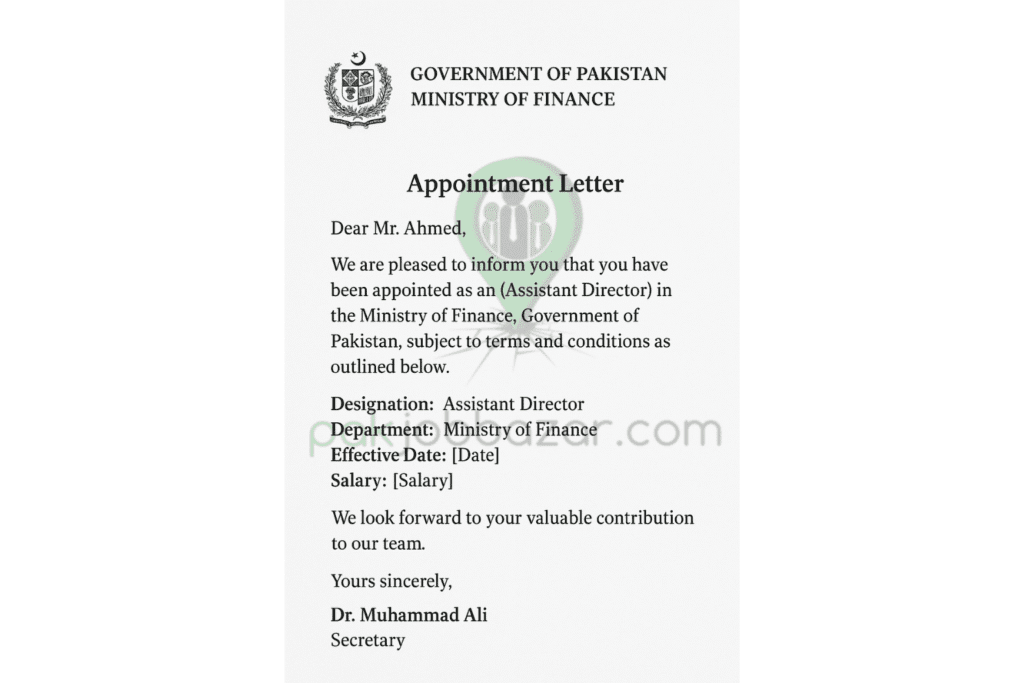
📜 Step 8: Final Selection & Appointment Letter
- After the interview, the final merit lists are displayed on the official websites.
- If selected, you will receive an appointment/joining letter.
- Report to your department within the given timeline.
⚖️ Common Mistakes to Avoid
- Submitting incomplete forms.
- Missing deadline.
- Uploading unclear documents/photos.
- Applying for jobs outside your eligibility.
- Not preparing for the written/interview stages.
🚀 Extra Tips for Fresh Graduates
- Apply for multiple jobs at once (don’t wait for one).
- Start preparation early (English & GK take time).
- Join WhatsApp/Telegram job alert groups.
- Visit PakJobBazar.com daily for updates.
📢 Final Thoughts
Applying for a government job in Pakistan might feel overwhelming, but with proper guidance and preparation, you can secure a stable and rewarding career.
Remember: Search, Prepare, Apply, Appear, and Succeed!
So, if you’re serious about your future, start applying today. The earlier you begin, the higher your chances of success.
❓ Frequently Asked Questions (FAQs)
Q1. Can I apply for multiple government jobs at the same time?
Yes, you can apply for as many jobs as you meet the eligibility criteria.
Q2. What is the age limit for government jobs in Pakistan?
Usually 18–30 years (with some relaxations).
Q3. How do I prepare for the FPSC and PPSC tests?
Use recommended books, past papers, and online MCQ practice websites.
Q4. Do I need experience for entry-level government jobs?
No, most clerical and assistant-level jobs only require Matric/Intermediate without experience.
Q5. Is the application process online or offline?
Major organizations use online applications; small departments may still require offline forms.